October 08, 2026
Geotechnical Engineering, Drilling and Subsurface Exploration, Geotechnical Laboratory Testing
Location: Lexington, Kentucky
Owner: University of Kentucky
Client: HDR, Inc.
Partner: Brown + Kubican
- Supported the phase I design of $3 billion Chandler Hospital expansion.
- Applied geotechnical experience from 60+ previous UK projects, including work near the ancient Karst Valley corridor.
- Performed geotechnical drilling and laboratory testing to keep hospital design moving while existing buildings remain in service.
- Geotechnical engineering recommendations included geophysical assessment and pre-drilling of drill shafts to reduce subsurface uncertainty, increase accuracy of material estimates, and limit both change orders and cost overruns.
Work with S&ME’s Geotechnical Experts
New Hospital Components and Timeline
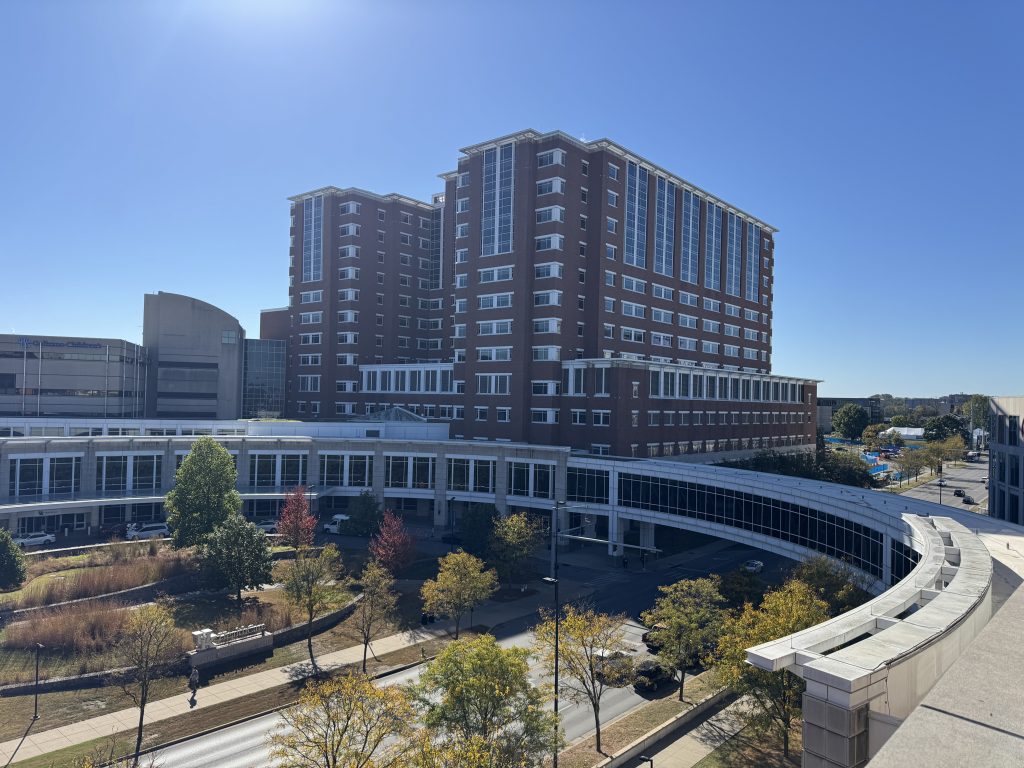
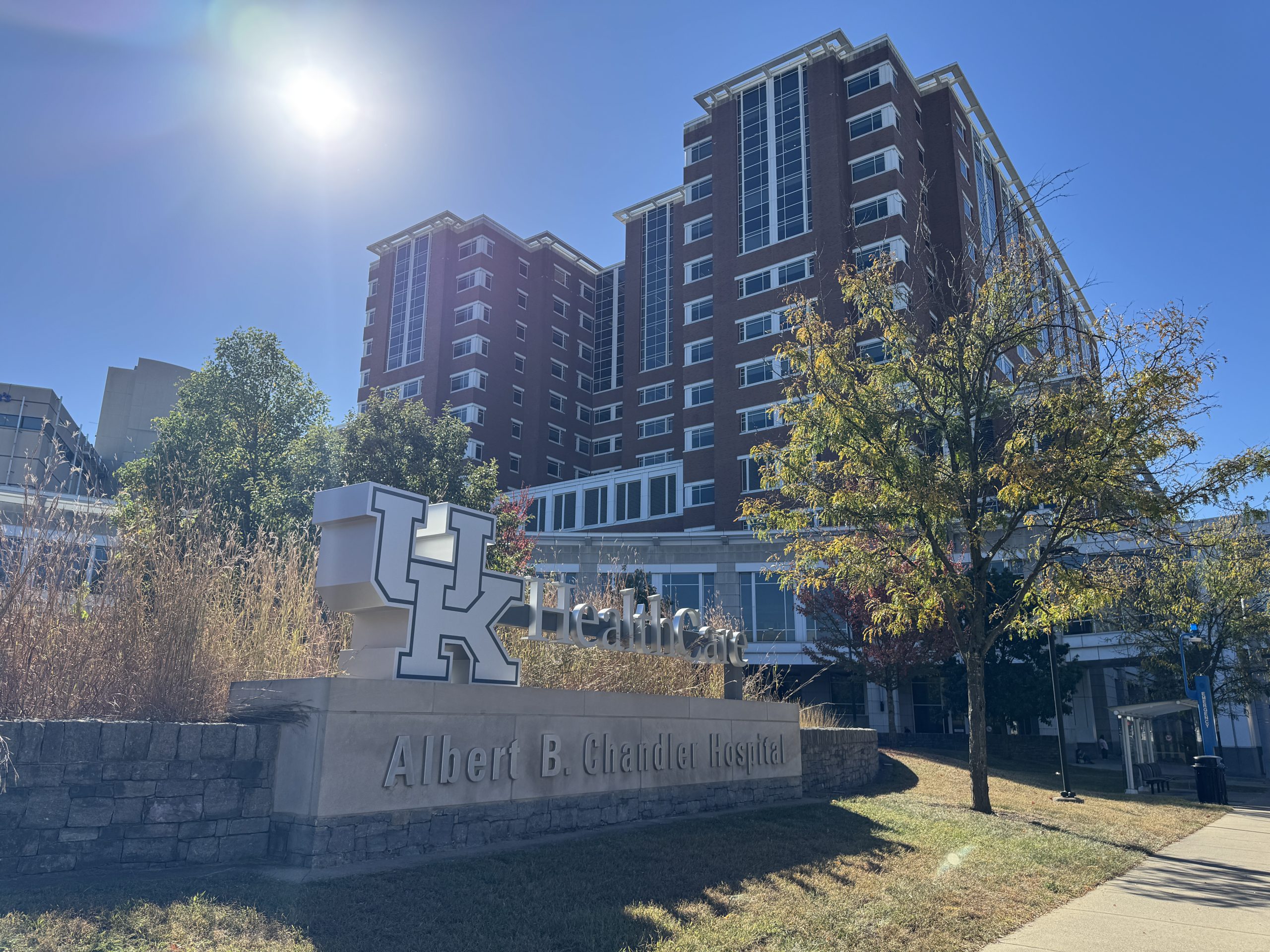
The UK Hospital Chandler Medical Center Campus expansion is a major investment in healthcare access and capacity for Kentucky. Thousands of patients are turned away each year because UK Health System facilities are at capacity. The project includes:
- Construction of four 11- to 15-story patient towers housing adult and pediatric care units
- Construction of a central podium featuring operating rooms and laboratory space
- Expansion of the emergency department
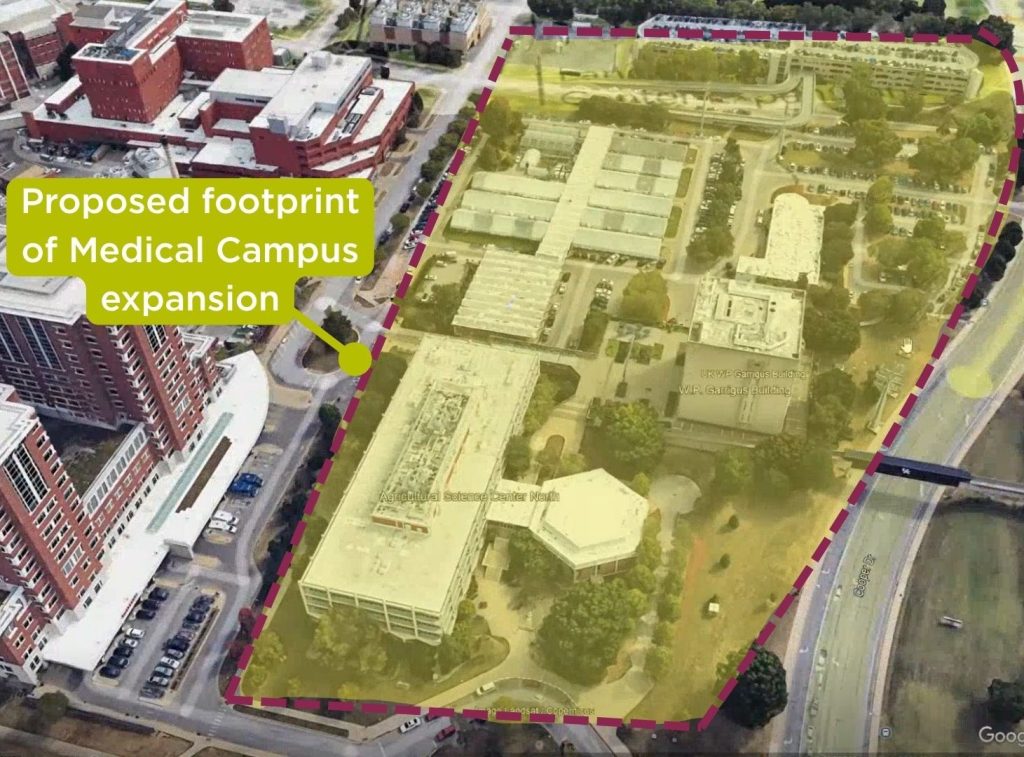
The expansion is part of a multi-phase project expected to span more than a decade.
Hospital construction is anticipated to begin after demolition of the Martin-Gatton Agricultural Sciences Building and other active site buildings, clearing space for the new hospital footprint, Central Utility Plant, and multi-story parking structure.
Building on a Geologically Complex Campus
The University of Kentucky campus is underlain by subsurface stratigraphy (rock layering) associated with Karst activity.
Previous geotechnical engineering assignments for the Woodland Glen Dormitories and the W.T. Young Library revealed the presence of an ancient Karst Valley. Across S&ME’s 60+ UK project portfolio, we have documented:
- Open fractures
- Cavities
- Sinkholes
- Irregular bedrock
- Underground aquifers
- Erratic top of bedrock profiles
“These conditions can increase the potential for costly redesigns, construction delays, and structural design issues for a critical healthcare facility,” says Principal Engineer, Joe Young, PE
For instance, just across the street from Chandler Medical Campus, S&ME encountered persistent groundwater from underground aquifers while providing geotechnical engineering services for Shriners Children’s Hospital. Excavation into bedrock for an elevator pit caused continuous water inflow that required 24-hour pumping. S&ME resolved the issue by designing a cut-off trench to intercept and redirect the water into the storm sewer system, keeping the work area dry.
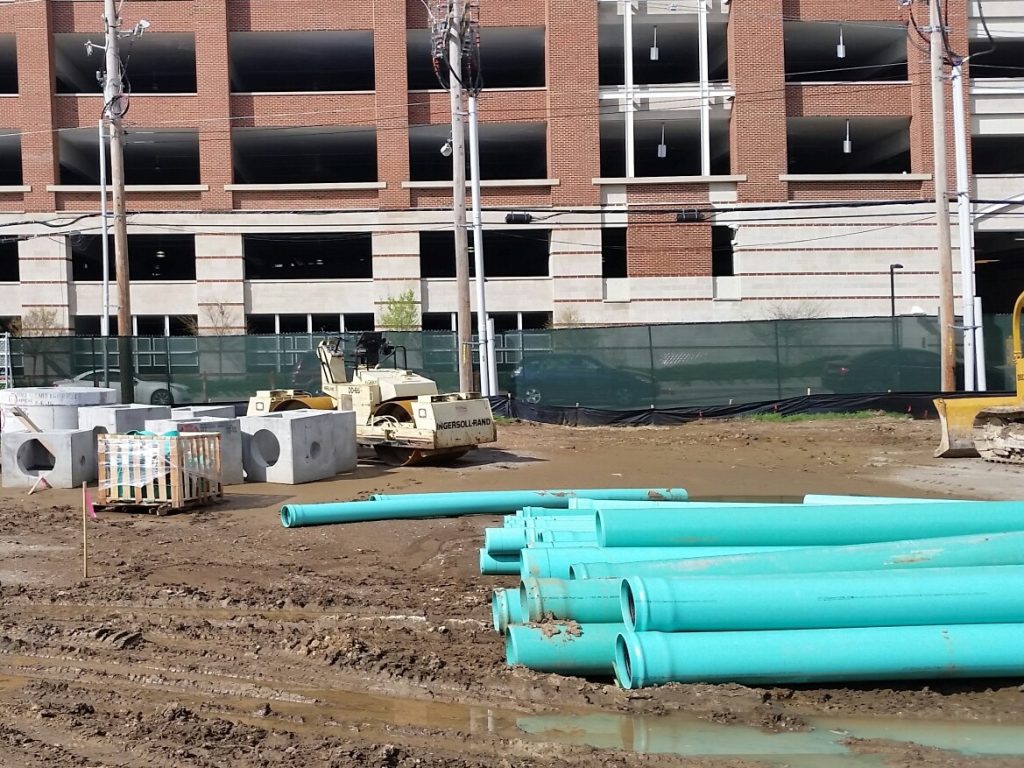
Similar to the nearby Shriners Children’s Hospital project, the Chandler Medical Center Campus expansion site has complex subsurface conditions.
The project site presented irregular bedrock and potential solution features within the Lower Ashlock Geologic Formation. In other words, groundwater may have dissolved portions of the underlying limestone over time, creating voids, openings, or weakened zones below the surface.
While many karst-related conditions can be managed during construction, sinkholes require additional evaluation because they can affect how foundations, floor slabs, and pavements perform over time.
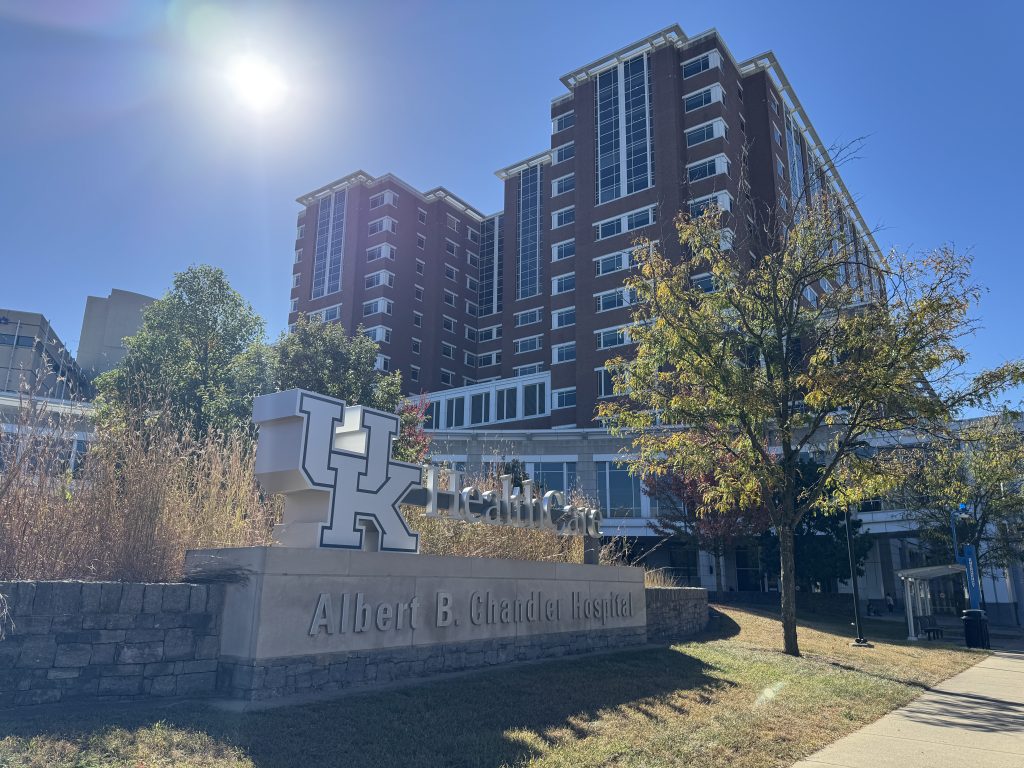
Technical Approach to Subsurface Exploration
S&ME combined geotechnical exploration with a phased strategy designed to support progress while portions of the site remained inaccessible due to hospital activity.
Geotechnical Drilling
The Chandler Medical Center Campus expansion site includes a dense network of underground utilities connected to lifesaving hospital amenities.
S&ME coordinated with the UK Physical Plant and private utility locators to identify known and unknown lines, maintain access around the active medical campus, and complete exploration. Geotechnical explorations included:
- 16 soil test borings with standard sampling to evaluate subsurface materials
- 26 bedrock soundings to help define the depth and variability of the rock surface
- 5 piezometers to document groundwater elevations and support water-condition assessments
The borings and soundings were advanced to auger refusal, which ranged from less than one foot to approximately 19 feet below the existing ground surface.
Together, this early drilling program helped S&ME provide preliminary geotechnical recommendations so the design team could continue advancing foundation and site planning before demolition.
Geotechnical Drilling Services
Geotechnical Laboratory Testing
S&ME’s geotechnical laboratory testing program evaluated soil and rock properties needed to give preliminary foundation and site recommendations for the Chandler Medical Center Campus expansion. Laboratory testing included:
- Natural moisture content tests: assess in place properties and classification of 20 soil samples.
- Atterberg limits tests: classification and estimation of in-place properties of cohesive soils.
- Unconfined compressive strength tests: methods for assigning end-bearing capacity or skin friction to drilled shafts for 23 rock cores.
Together, these results helped S&ME refine subsurface interpretations and provide preliminary design guidance.
Geotechnical Laboratory Services
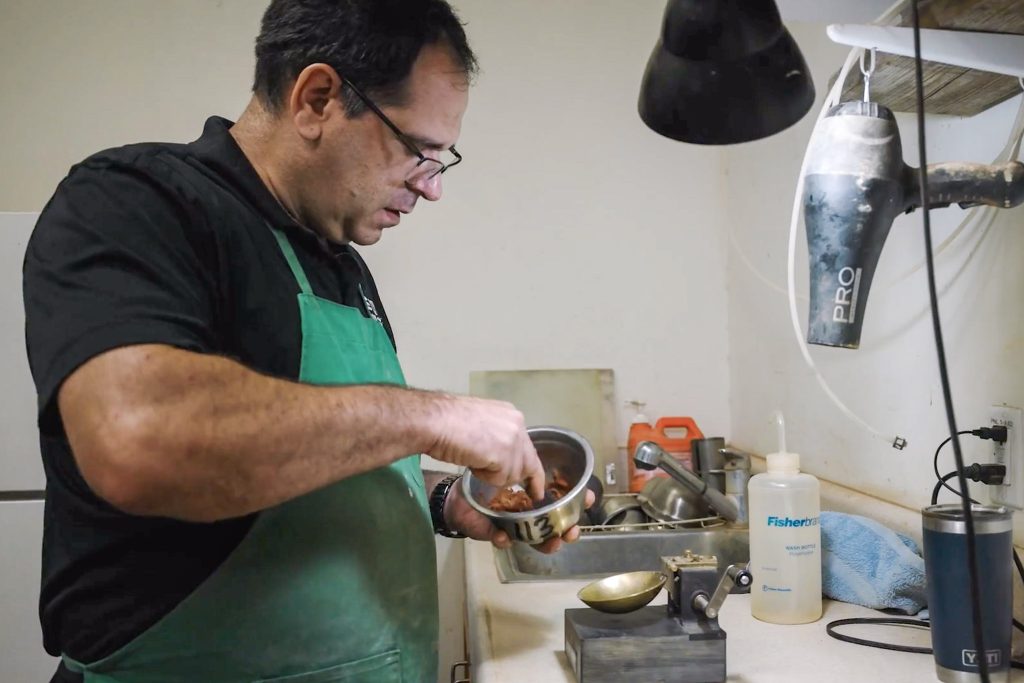
Atterberg limits testing in S&ME geotechnical laboratory
Geophysical Testing
Because borings only apply to conditions at specific points, S&ME proposed geophysical assessment after demolition to create more detailed subsurface profiles and help identify potential anomalies in the bedrock surface.
“In karst environments, you can have a very erratic top rock surface. It might be two feet deep here and twenty-seven feet deep thirty feet away,” says Joe. “The whole idea of the geophysical is to help connect the dots between widely spaced borings. When we drill a hole, we really only know the information at that one point.”
Electrical Resistivity Tomography (ERT) was performed to help detect karst voids, sinkholes, or other subsurface features that could affect foundation, slab, and pavement performance.
Geophysics can also be used to evaluate site shear wave velocity for seismic classification, which may support a less conservative design approach and help reduce construction costs, particularly for structural steel and related design elements.
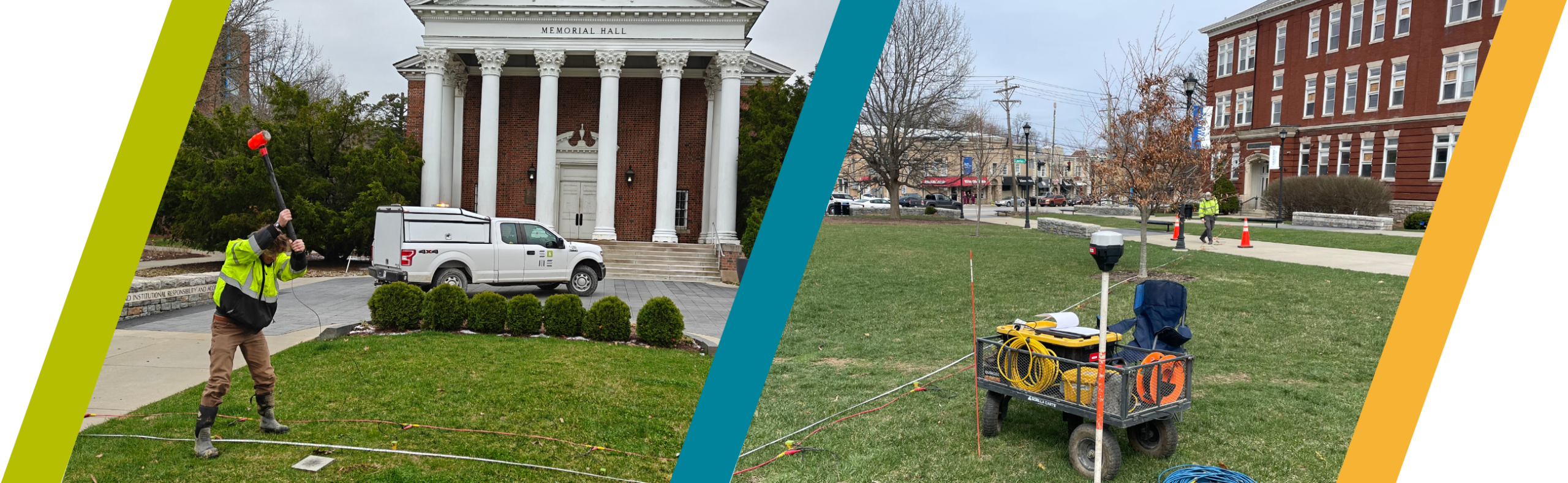
Using MASW geophysical testing to document subsurface variations in bedrock helped identify potential karst-related foundation hazards for the UK Gatton College of Business & Economics expansion.
Demo and Build Back
The phased “demo and build back” approach allows S&ME to provide preliminary recommendations before demolition, then return for additional drilling and geophysical assessment once the facilities are decommissioned.
So far, S&ME has drilled in the accessible areas like lawns, parking lots, roadways, and open spaces around the existing buildings.
“The traditional approach is to wait until demolition is complete before doing the full geotechnical exploration, but that puts the design team on hold and has significant schedule impacts.” Joe explained.
S&ME Impact on Hospital Design
On a project of this scale, the greatest value of S&ME’s work was sharing recommendations as geotechnical laboratory testing was completed, rather than waiting for a final report. S&ME helped the design team and structural engineers respond to subsurface findings in real time.
Our recommendations addressed:
- Geologic hazards
- Foundation systems
- Site preparation
- Slab-on-grade design
- Groundwater management
- Grade wall design
- Demolition considerations for future phases
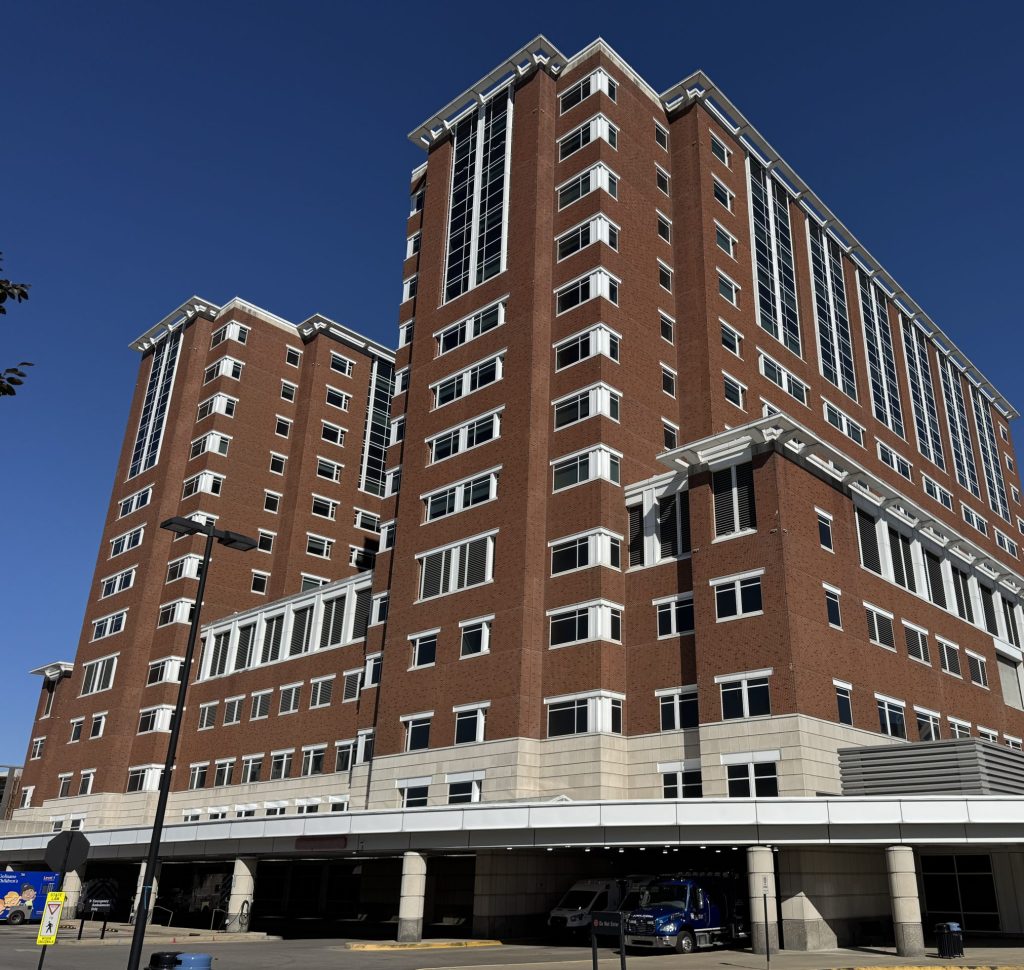
Although the project is still in design, S&ME identified potential areas where future services could reduce cost and schedule risk.
By pre-drilling drill shafts, the team could help establish clearer termination depths before construction begins, reducing the need to repeatedly stop, test, deepen, and re-evaluate shafts in the field.
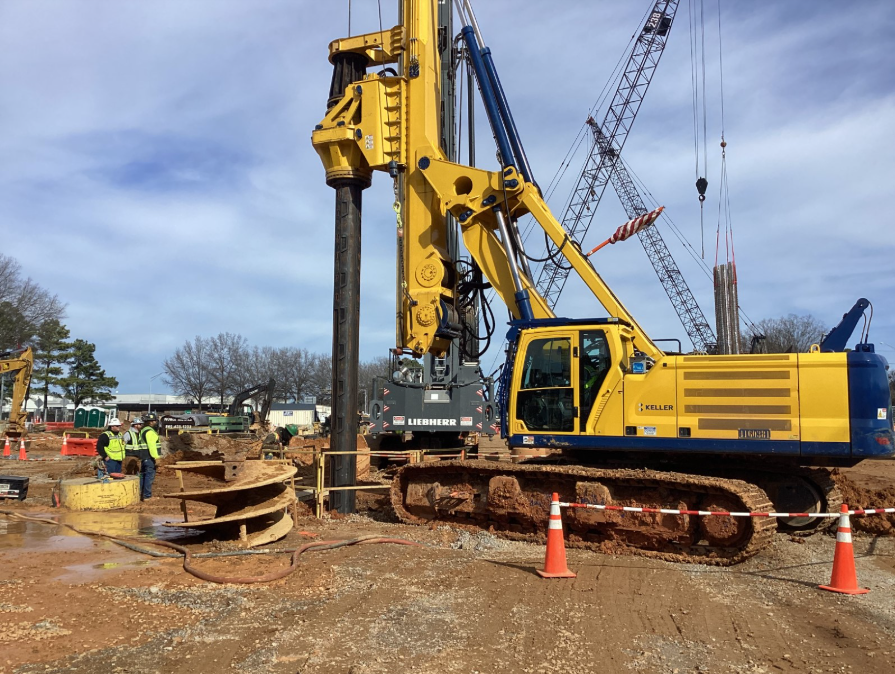
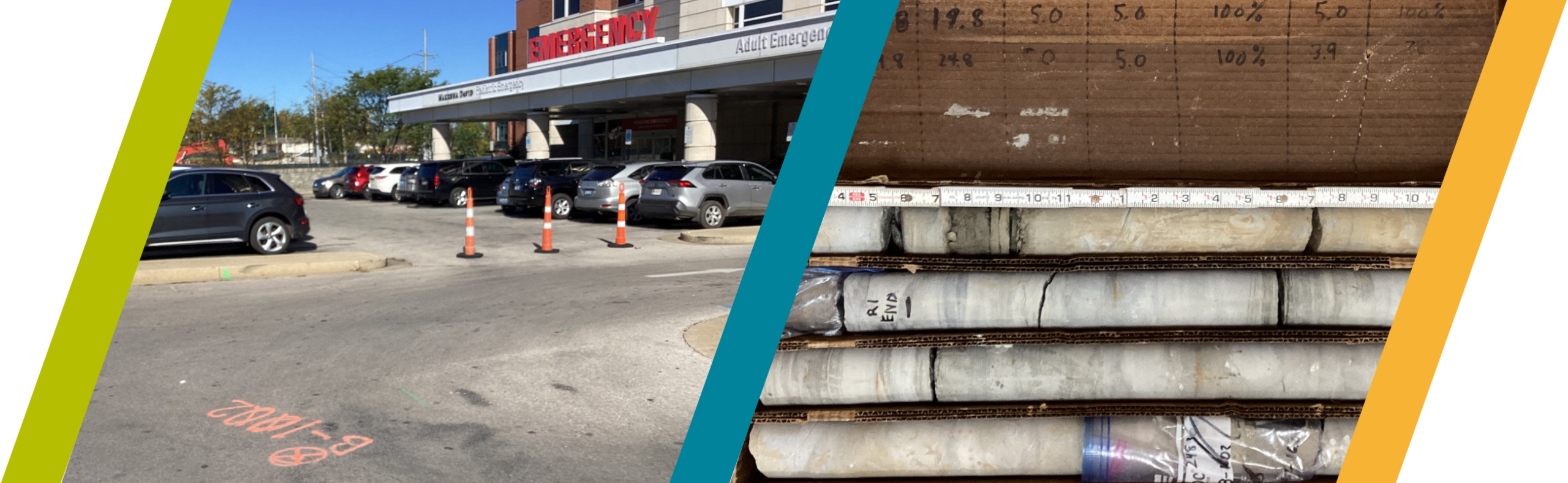
Predrilling services on construction site.
“By pre-drilling, our client can order the steel and get the quantities of concrete with a lot less likelihood of cost overruns,” said Joe. “When they have a set termination depth, they can get three or more drilled shafts a day,” Joe shared. “It increases production, and it also decreases the opportunity for change orders.”
Maintaining Access for Healthcare Workers and Patients
S&ME had to complete field activities while maintaining access for hospital staff, students, first responders, patients, and the public.
Safety remained the team’s top priority throughout geotechnical drilling. S&ME would temporarily block roadways and parking of work areas, complete services efficiently, and reopen areas with minimal disruption to the active, 24/7 hospital environment.
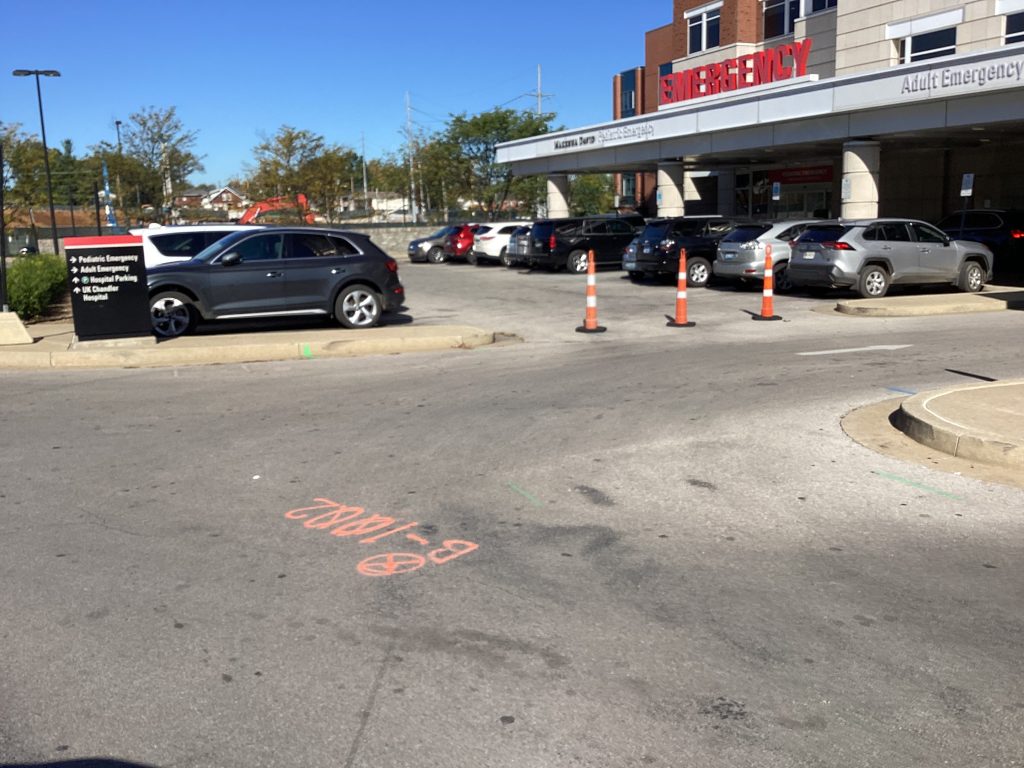
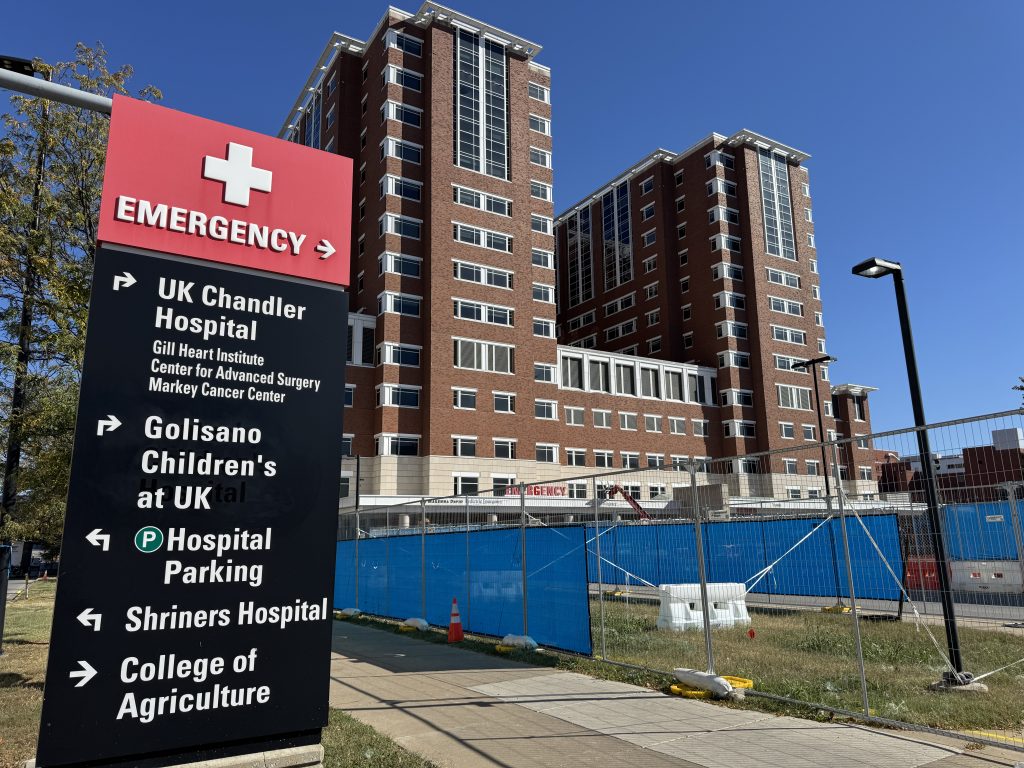
Marked testing location for geotechnical exploration in front of Chandler emergency department.
Supporting Healthcare Growth Across Kentucky
This expansion is set to redefine healthcare delivery in Kentucky by:
- Modernizing facilities
- Increasing capacity by 900 beds
- Expanding access to advanced specialty care
As this $3B healthcare expansion advances, S&ME’s geotechnical engineering insight will address complex subsurface conditions that influence design, cost, and construction planning.
Work with S&ME’s Geotechnical Experts
From complex healthcare campuses to infrastructure and development projects, S&ME helps project teams make informed design decisions.